
Categories
Planning Updates Style and Architecture Technical Updates

Building Safety Update

๐Ÿ—๏ธ This Tuesday, I presented an analysis of the Building Safety Act 2022 at the Real Estate Forum, hosted by London Business Club. The diversity of our audience – from contractors and developers to investors and designers – brought valuable depth to our discussions.

๐Ÿ“Š Our opening poll revealed that 80% of professionals still seek clarity on the Act’s requirements. Yet what emerged through our session wasn’t hesitation, but a marked readiness for positive change. The industry’s enthusiasm for enhanced competency requirements was particularly noteworthy, signaling a collective recognition that these standards are both necessary and valuable.

๐Ÿ“‹ We focused on the key changes brought by the reform, particularly the new statutory roles of Principal Designer and Principal Contractor under BSA, and their competency requirements. I shared practical strategies for demonstrating and evidencing these competencies – essential knowledge for maintaining competitive edge while ensuring building safety compliance.

๐Ÿค While the response to this structured breakdown was positive, it reinforced findings from September 2024’s NBS white paper – there’s still a clear need for precise, practical implementation guidance, even as we operate under the new regime that came into full effect this April.

โ“ What approaches has your organization implemented to meet these requirements? I’m particularly interested in hearing perspectives from across our industry sectors.

โœจ My thanks to London Business Club for organizing this valuable forum and fostering these important industry discussions.

Categories
Planning Updates

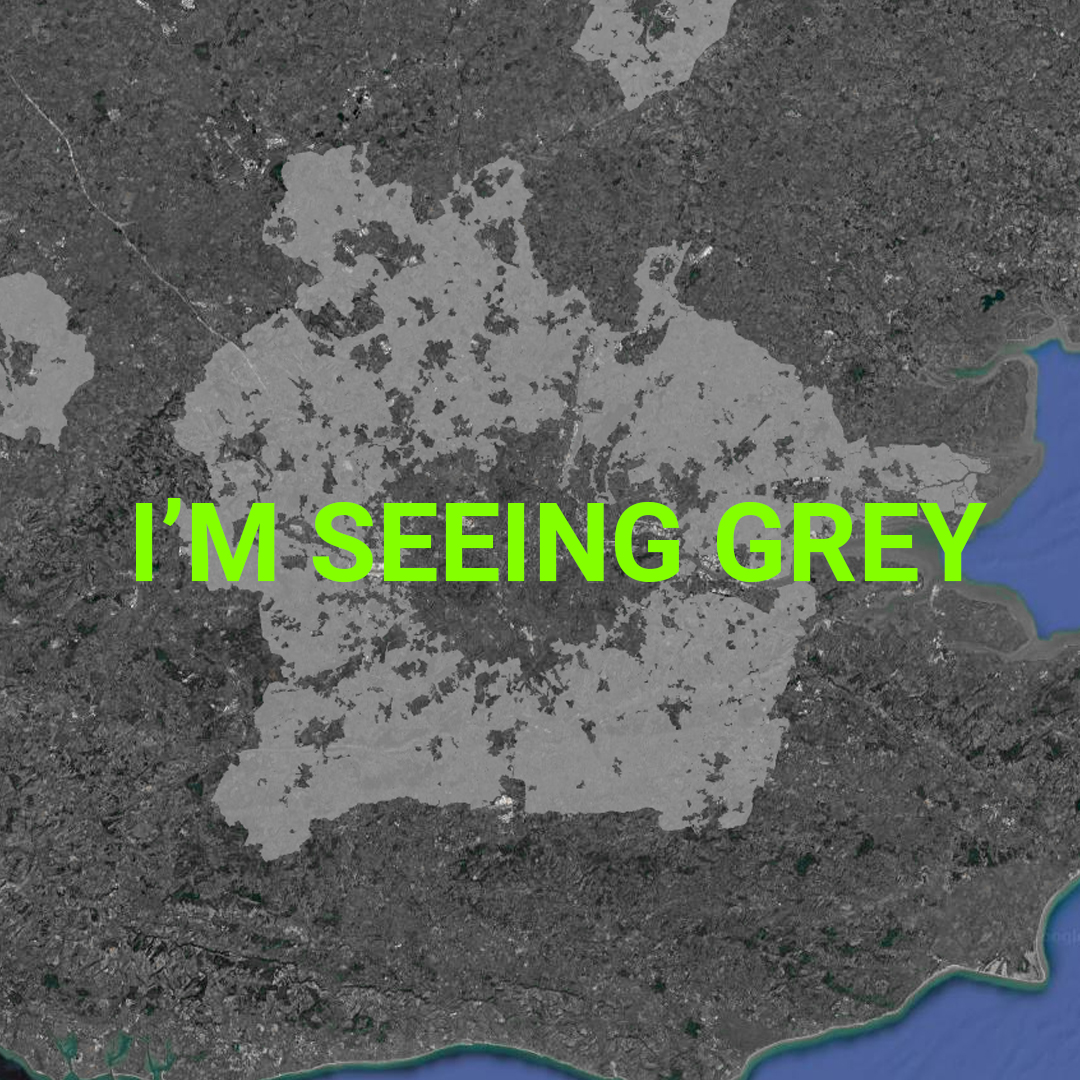
What is Grey Belt?

Are you reviewing unsuccessful Green Belt applications?

The latest NPPF update is the first substantial revision to Green Belt policy since 1947. As an architect specializing in complex planning cases, I’m finding it creates fresh opportunities – even for sites with previous refusals.

Here’s my checklist when assessing sites:


๐Ÿ˜๏ธPreviously developed land (PDL) – the NPPF now clearly defines this to include sites with permanent structures and fixed infrastructure. Think beyond buildings – areas of lawful hardstanding could qualify. Key exclusions: agricultural buildings, restored mineral sites, and structures blended into landscape.

๐Ÿ—บ๏ธ Sites that don’t meaningfully contribute to Green Belt purposes (NPPF 143), especially if they:

– Are enclosed by development on three sides
– Don’t prevent towns merging
– Aren’t critical to a historic setting

๐Ÿช Where there’s demonstrable unmet need for housing (NPPF 155) – particularly relevant where authorities lack a 5-year housing supply.

For larger developments, NPPF paragraph 157 sets out the ‘Golden Rules’:
– Affordable housing contribution 15% above the highest existing local requirement (capped at 50%);
– Essential infrastructure improvements;
– New or enhanced publicly accessible green spaces within walking distance;
– 50% affordable housing as default where no pre-existing requirement exists.

NPPF paragraph 149 states we shouldn’t include land in Green Belt “which it is unnecessary to keep permanently open” – a significant consideration for enclosed sites.

For PDL sites, NPPF paragraph 125(c) gives “substantial weight” to appropriate redevelopment within settlements. Combined with paragraph 155, this creates compelling arguments for well-designed schemes.

I’m finding early site analysis and strategic planning input are crucial before moving to detailed design. Many of my clients are surprised to learn their previously “unviable” sites might now have potential.

Happy to discuss if you’re working on similar projects.